Into the Current: Wet‑Foot Wonders Await

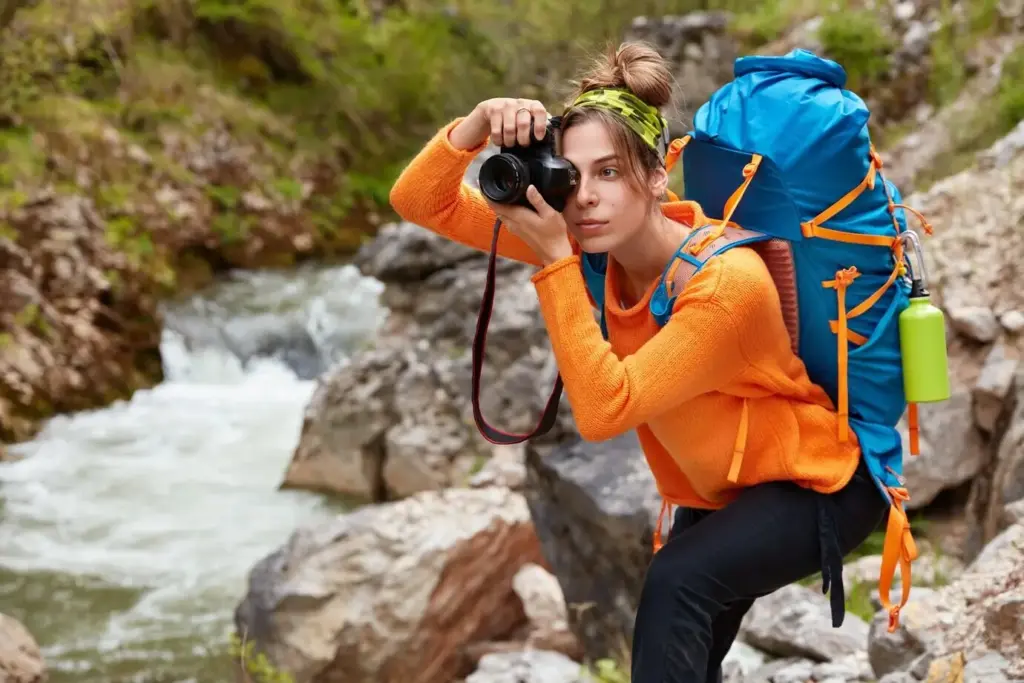
Step into flowing canyons with confidence. Today we explore river tracing and waterfall gorge walks—wet‑foot adventures explained—so you can embrace slick stones, playful currents, and echoing cascades with safety, curiosity, and joy. We will unpack essential gear, demystify hydrology, refine movement techniques, and celebrate stewardship, while weaving in field‑tested stories that spotlight smart choices when levels rise or rock grows glassy with algae. Bring your sense of wonder, and prepare to plan journeys your feet, lungs, and camera will remember long after the water recedes.

Footwear, Socks, and Thermal Layers

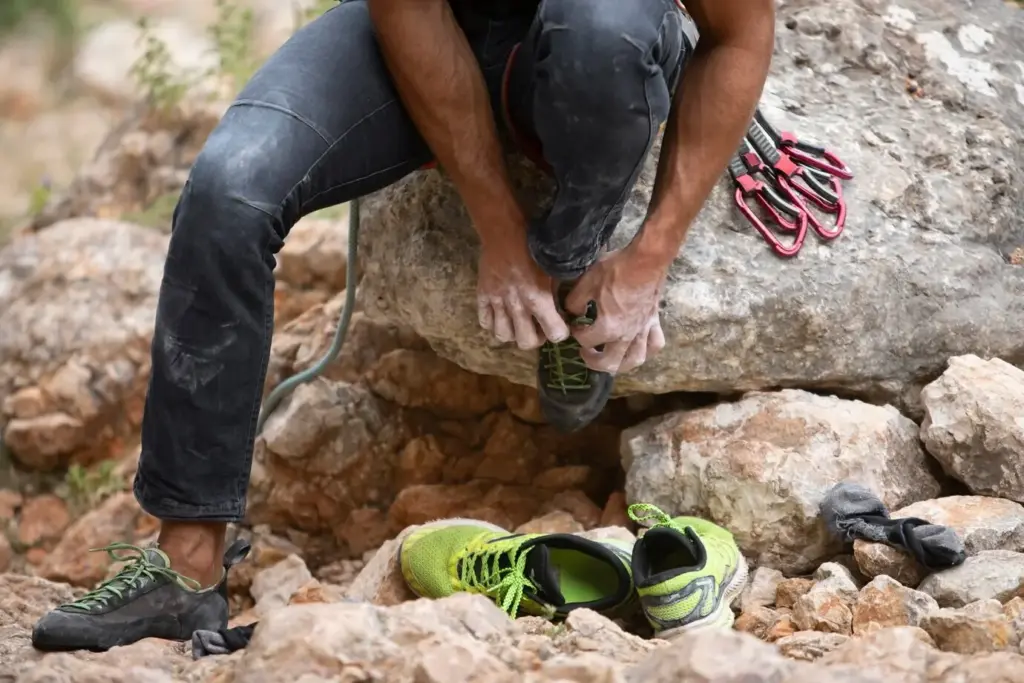
Sticky rubber and robust drainage outwork flashy logos when current tugs at ankles and rock behaves like soap. Pair amphibious shoes with neoprene socks to insulate when glacier‑fed water steals heat. A thin wool liner reduces hotspots, while flexible ankle support preserves agility for boulder hopping. Add a lightweight fleece under a breathable shell for rest stops, because wind over wet fabric magnifies chill far faster than expected, especially in shaded narrows.

Waterproofing the Load You Cannot Afford to Lose
Double‑bag electronics and first aid with roll‑top dry sacks nested inside a pack liner, because one seal eventually fails. Position heavier items close to your spine for balance during mid‑thigh crossings. External quick‑access pockets should hold snacks, map, and a micro towel, not fragile lenses. A compact bivy or emergency blanket weighs almost nothing yet transforms a shivery pause into recoverable warmth, buying clarity for the decisions that matter when daylight dwindles.

Safety Essentials That Earn Their Weight
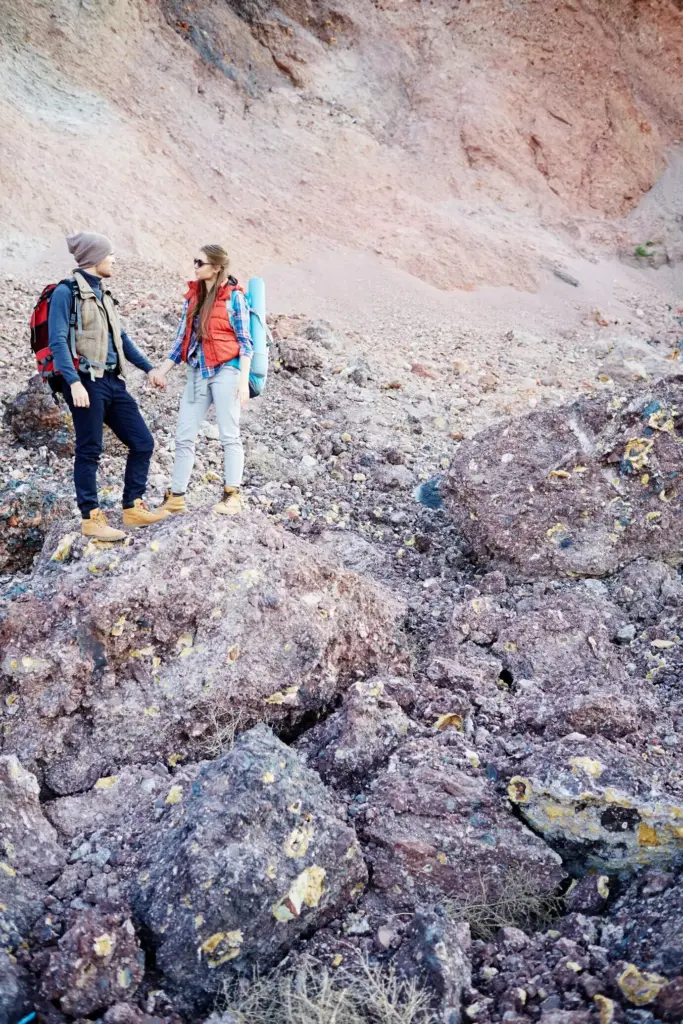
A climbing‑rated helmet guards against surprise rockfall near waterfalls and protects during backward slips. A minimalist throw bag, compact whistle, and bright tape for improvised anchors multiply options without dragging you down. Consider a low‑profile PFD in deeper, pushier sections, prioritizing mobility for scrambling. Pack a headlamp with fresh batteries; gorges compress time and light deceptively. Bring an elastic knee wrap, blister kit, and water treatment, because small fixes prevent epic retreats when conditions fray nerves.

Reading Water and Seasons Like a Local
Gauges, Forecasts, and Real‑Time Clues

A number on a gauge is only the beginning; pair flow data with radar echoes, upstream tributary reports, and last‑hour rainfall totals. On arrival, read the waterline on rocks, check for fresh debris snagged in branches, and note turbidity shifts. Kick tests reveal bottom firmness and embeddedness, while a tossed leaf sketches velocity across a channel. Layering digital and sensory inputs creates a trustworthy mosaic, guiding go, wait, or turn‑back decisions with calm authority.

Flash‑Flood Awareness in Narrow Corridors

A number on a gauge is only the beginning; pair flow data with radar echoes, upstream tributary reports, and last‑hour rainfall totals. On arrival, read the waterline on rocks, check for fresh debris snagged in branches, and note turbidity shifts. Kick tests reveal bottom firmness and embeddedness, while a tossed leaf sketches velocity across a channel. Layering digital and sensory inputs creates a trustworthy mosaic, guiding go, wait, or turn‑back decisions with calm authority.

Temperatures, Hypothermia, and Summer Heat

A number on a gauge is only the beginning; pair flow data with radar echoes, upstream tributary reports, and last‑hour rainfall totals. On arrival, read the waterline on rocks, check for fresh debris snagged in branches, and note turbidity shifts. Kick tests reveal bottom firmness and embeddedness, while a tossed leaf sketches velocity across a channel. Layering digital and sensory inputs creates a trustworthy mosaic, guiding go, wait, or turn‑back decisions with calm authority.

Movement Skills for Current, Friction, and Flow
Elegant movement turns chaos into choreography. We’ll break down stances that resist current, foot placements that glue to algae‑slick faces, and partner techniques that transform solo stumbles into synchronized confidence. From ferrying across subtle diagonals to chimneying through polished narrows, finesse trumps brute force. You’ll practice reading hydraulics like stepping stones, selecting eddies as rest stages, and committing to moves only after building three points of security. Grace grows measurable margin for error.

Routefinding with Layers, Landmarks, and Reality

Satellite imagery highlights plunge pools and braided gravels, while contour lines betray chokepoints. Cross‑check guide notes with recent trip reports, then assume conditions shifted. On foot, confirm with cairns, water coloration changes, and canyon aspect relative to sun angle. Mark micro‑features—downed log, boulder arch, mossy ledge—as breadcrumbs for a calm retreat if needed. Accept that the best line frequently wanders, prioritizing energy conservation and safety rather than imaginary straight routes drawn at a desk.

Exits, Bailouts, and the Power of Turning Back

Name specific points where you will reverse course without debate: rising turbidity, lost shoreline, or thunder within a set count. Scout high benches for emergency egress before committing to narrows. Share the plan aloud so group solidarity anchors the decision when ego talks loudly. A dignified retreat preserves energy, friendships, and gear, inviting a wiser return under better conditions. Rivers remain; patience wins more memories than stubbornness ever could.

Caring for Water, Rock, and the Life Between
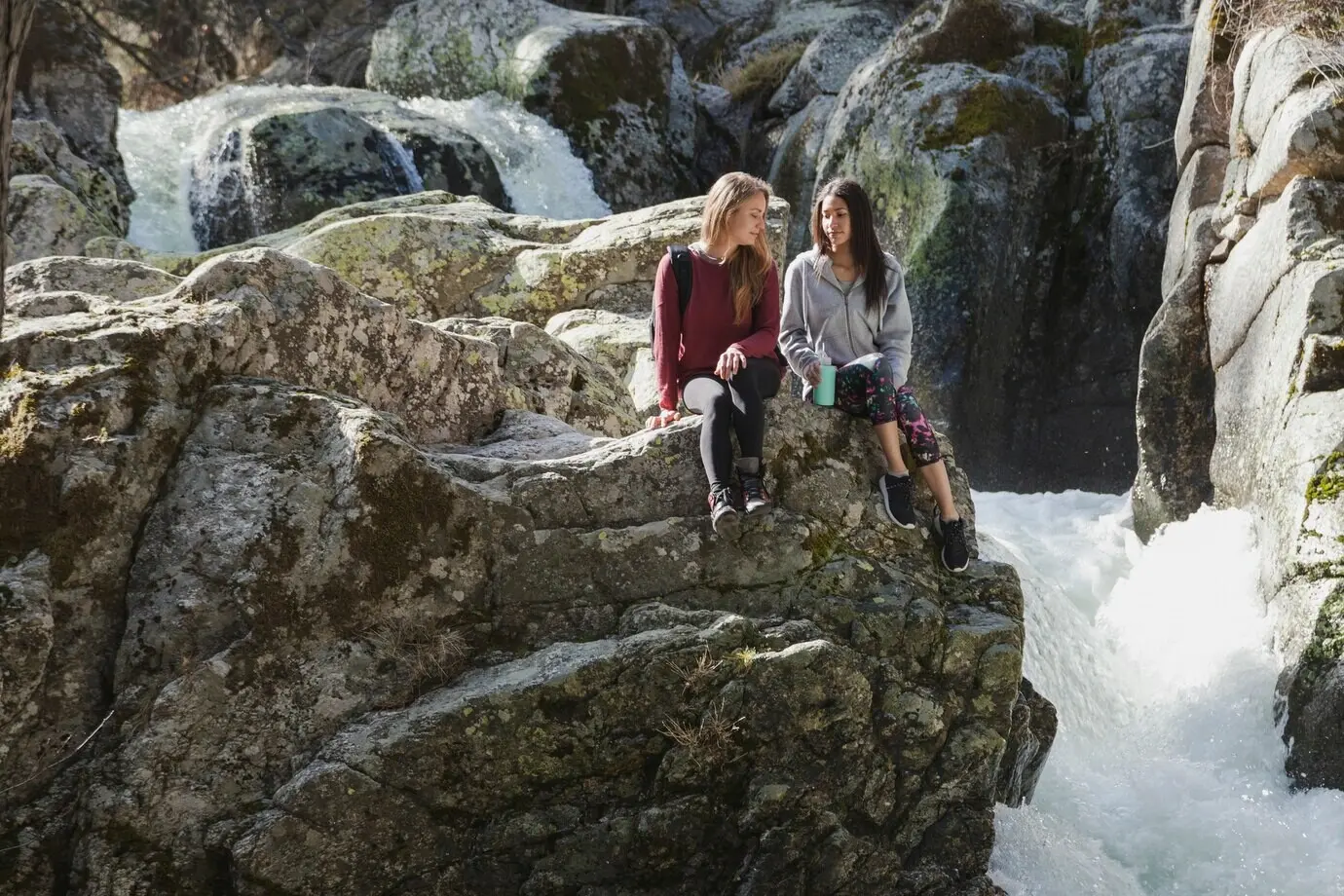
Adventure thrives when ecosystems thrive. We’ll spotlight decontamination habits that stop invasive species, wading choices that protect spawning redds and macroinvertebrate nurseries, and campsite etiquette that honors riparian plants struggling against boots and floods. Cultural respect matters too, from indigenous access notes to local rescue capacity. Every footprint becomes a promise: explore deeply, leave lightly. Stewardship is neither chore nor lecture but a joyful ritual that keeps tomorrow’s crossings as clear as today’s reflections.

Morning in the Narrows: A Small Victory

At first light, the canyon hushed even the jaybirds. Algae glazed a slab guarding the next pool; rushing water argued against haste. We rehearsed signals, reset stance, and ferried one by one into a welcoming eddy. Later, clouds muscled in, but turnaround time was honored. Back at the trailhead, tea steamed, and notes filled pages. The lesson endured: preparation builds freedom, and shared caution frames the kind of joy that lingers all week.

Blueprint for a Confident First Outing

Pick a short route with shallow crossings, a generous weather window, and two obvious exits. Pack traction shoes, neoprene socks, a liner, helmet, throw bag, and redundant lights. Print maps, cache offline tiles, and text a plan with return time. Practice signals dry, then wade progressively, celebrating conservative choices. Schedule a warm lunch break to check energy and fingers. Debrief afterward, logging flows, footwear comfort, and surprise slick zones to turn a good day into a smarter second.

Join the Conversation and Share Your Lines

Tell us where the current almost stole your boot, the waterfall that misted your camera silly, and the eddy that felt like a secret living room. Comment with gauge readings, access notes, and lessons you’d gift beginners. Subscribe for route deep‑dives, safety drills, and stewardship challenges that make practice fun. Your stories broaden the map for everyone, transforming cautious curiosity into capable confidence, one thoughtful, soaked, smiling step at a time.

Pirakirazavo
Privacy Overview

This website uses cookies so that we can provide you with the best user experience possible. Cookie information is stored in your browser and performs functions such as recognising you when you return to our website and helping our team to understand which sections of the website you find most interesting and useful.