Canyon Walks Everyone Can Love

Today we’re stepping onto family-friendly gorge trails—easy routes for all ages—where gentle gradients, sturdy railings, and shady pauses invite toddlers, teens, parents, and grandparents to wander together. Expect boardwalks hugging mossy walls, cool mist beside waterfalls, and short loops near parking. Share your favorite easy gorge walk in the comments, and subscribe for upcoming guides featuring maps, bathrooms, stroller notes, picnic spots, and playful learning prompts crafted for cheerful, low-stress adventures.

Getting Ready Without Overpacking

Planning for a gentle canyon stroll starts at home: check official trail pages for elevation, surface, railings, and restroom access, then pack light but intentional. Think compact first-aid, sun protection, layered clothing, a small towel, and dependable snacks. Leave trunk space for post-hike sandals and an impromptu picnic blanket near the trailhead.

Map Smart, Move Smooth

Before driving out, open the map layers that display grade, surface type, distance, and estimated time with children. Identify benches, overlooks, and loop connectors that offer early exits. Download offline maps, mark bathrooms, and screenshot the ranger notice board so you can adjust kindly when energy dips.

Snack Strategy That Prevents Meltdowns
Plan snacks by moments rather than miles: a crunchy bite after the first footbridge, fruit near the waterfall spray, and a celebratory cookie at the trail sign. Hydration is nonnegotiable; pack reusable bottles and tiny cups so little hikers feel included at every rest.

Dress in Layers, Win the Day

Layered clothing turns variable gorge weather into an advantage. Start with moisture-wicking base pieces, add a breathable long sleeve, and top with a light shell that shrugs off mist. Slip a spare pair of socks and a compact poncho into an easy-to-reach pocket.

Safety That Feels Like Freedom

Edges, Railings, and Teaching Stop Lines

Show children a bright leaf or sticker as a visual stop line several steps before any edge, then role-play taking turns approaching and retreating. Keep one adult ahead, one behind, and celebrate good spacing. Proactive routines feel like games yet consistently reduce risky scrambles.

Water Crossings Without Drama

Low water crossings can be magical, but they require intention. Scout calf-depth pools for steady stepping stones or short boardwalk bypasses, and show kids how to plant feet like tripods. Bring dry socks, and treat wet shoes as badges of brave, smart exploring.

Pace for Little Legs and Big Smiles

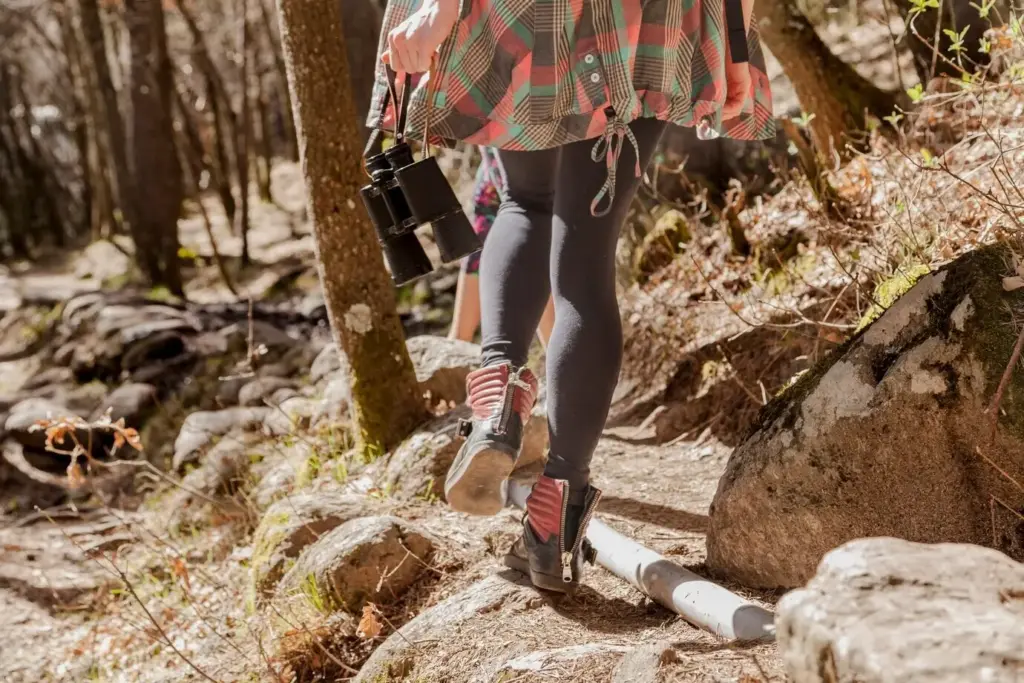
Set a conversational pace. When the youngest can tell a story without panting, you’re moving well. Call micro-pauses at viewpoints, pass the binoculars, and mark halfway with a photo. Small bodies thrive when distance, wonder, and rest mingle rather than compete for attention.

Make the Canyon a Time Machine

Tell the cliff it is a gigantic library built by rain and rivers. Each stripe is a chapter pressed by ancient seas, deserts, or glaciers. Have children point to a layer and name the era’s weather, animals, and strange plants, then draw it during snack time.

Creature Clues on the Path

Look for tracks at muddy edges, seed husks on flat rocks, and spider webs glittering in the shade. Ask whose breakfast crumbs you’ve discovered, then watch respectfully from a distance. Turning observations into mysteries trains patience, empathy, and keen eyes without needing heavy guidebooks or lectures.

Wheels, Carriers, and Inclusive Paths

Choosing the Right Wheels for the Surface
Air-filled tires glide across crushed gravel, while small, swiveling wheels excel on manicured boardwalks. Test brakes on slight declines before committing. Add a sunshade that handles canyon glare, and stash a thin changing pad so diaper moments remain clean, quick, and surprisingly drama-free beside the trail.

Carriers for Toddlers and Nap-Friendly Rides
Pick a soft-structured carrier with lumbar support for adults and nap-friendly headrests for kids. Practice loading at home, then time your hike to overlap with usual naps. Bring a light muslin for shade, and remember snack breaks double as wiggle breaks for everyone’s comfort.

Accessible Facilities That Truly Help

True accessibility includes bathrooms with space for caregivers, water refill points at reachable heights, and picnic tables with room for wheels. Note these features in your trip report, and ask park staff thoughtful questions. Your feedback strengthens future designs so more neighbors can explore.

Playful Challenges That Keep Kids Moving

Games transform short miles into rich memories. Set tiny quests that match the gorge: count fern species, spot three shades of lichen, or mimic the roar of a falls without shouting. Alternate leaders so every child guides for a segment. Share your best trail games below to inspire tomorrow’s wanderers.

Color Hunts and Texture Bingo

Give children a color card and challenge them to find ten matches along the path, touching only with eyes. Compare textures by rubbing leaves gently, then guessing smooth, fuzzy, or waxy. Curiosity grows legs when discovery is framed as play rather than assignment or test.

Trail Tales You Build Together

As you walk, co-create a silly story where the stream is a guide and the boulders are stubborn guardians. Each hiker adds one sentence at every switchback. This simple rhythm eases distance, keeps everyone together, and turns the return trip into eager, shared performance.

Five-Minute Photo Quests

Set a five-minute timer and give kids a photo prompt like reflections, spirals, or tiny worlds. Review snapshots at a rest stop and let the junior photographer choose the family’s picnic spot. Creative ownership reduces dawdling more effectively than constant reminders or countdowns.

Respect the Gorge, Leave It Better

Snack Crumbs, Microtrash, and Tiny Habits

Crumbs become invitations for clever ravens and bold chipmunks, changing their behavior and endangering them near roads. Pack reusable containers, shake out crumbs at home, and play a pretend detective game scanning for microtrash under benches. Kids love the mission, and habitats thank you quietly.

Wildlife Etiquette Kids Can Remember

Teach a simple rhyme—Observe, Don’t Disturb—to guide wildlife encounters. Step back, lower voices, and use zoom rather than approaching. Celebrate the moment with whispered high-fives. Modeling restraint builds courage to walk away from nests, dens, and basking spots even when curiosity is buzzing like the gorge’s bees.

Community Sharing: Maps, Notes, and Smiles

After your outing, post a short trip note describing parking fullness, bathroom status, stroller suitability, and any icy patches. Invite questions from new families, then return to answer kindly. Your generosity turns one easy walk into a welcoming pathway for many, especially first-timers nervous about starting.
Pirakirazavo
Privacy Overview

This website uses cookies so that we can provide you with the best user experience possible. Cookie information is stored in your browser and performs functions such as recognising you when you return to our website and helping our team to understand which sections of the website you find most interesting and useful.