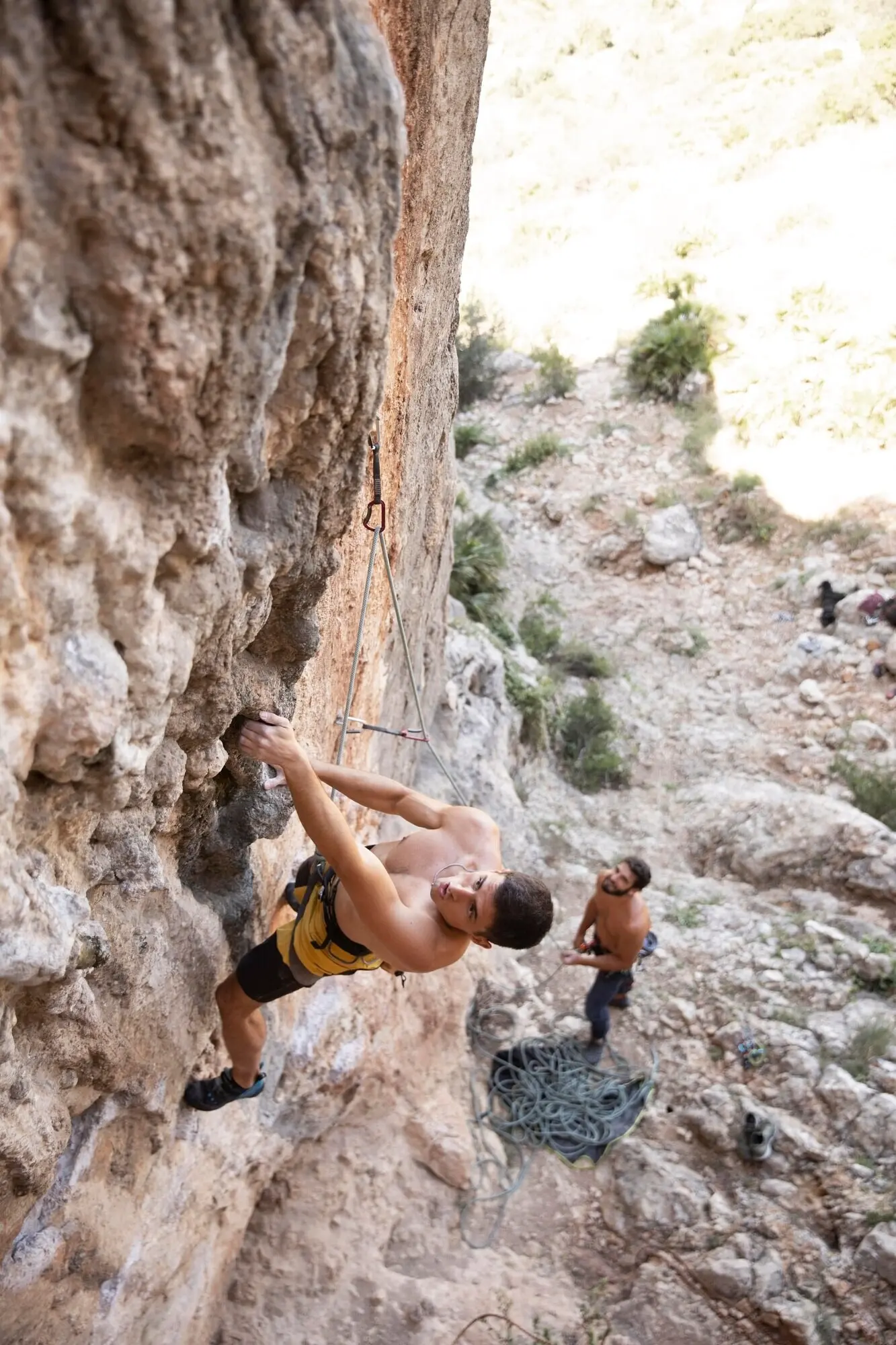
Gorge Passports: Walk Smarter, Wander Freer

This guide unpacks permits and access rules for gorge walks in different countries, turning red tape into practical, confident steps from dream to trailhead. Learn how lotteries, quotas, seasonal closures, and safety requirements fit together, and how to avoid painful surprises. Share your country’s quirks in the comments, ask questions, and subscribe for fresh updates as regulations evolve with conservation needs and visitor pressures.

Planning Across Borders

Before lacing boots, compare how national parks, regional reserves, and privately managed canyons regulate access across borders. Some places demand advance permits, others accept day-of registration, and a few require certified guides. Recognize flash-flood seasons, culturally sensitive sites, and fragile habitats. Create a checklist, confirm closure calendars, and prepare alternatives so weather, lotteries, or trailwork do not erase your adventure at the last minute.

Reading the Fine Print Before Your Boots Hit the Dust

Permit pages hide crucial details—time windows, route-specific caps, and gear mandates like helmets or throw bags for wades and swims. Scrutinize maps for no-go zones protecting nesting raptors or endangered plants. Bookmark ranger alerts, carry offline copies, and email authorities to clarify ambiguities. A five-minute message today can save a ruined dawn start and a long drive turned around at a quiet gate.
Seasons, Weather Windows, and Capacity Caps

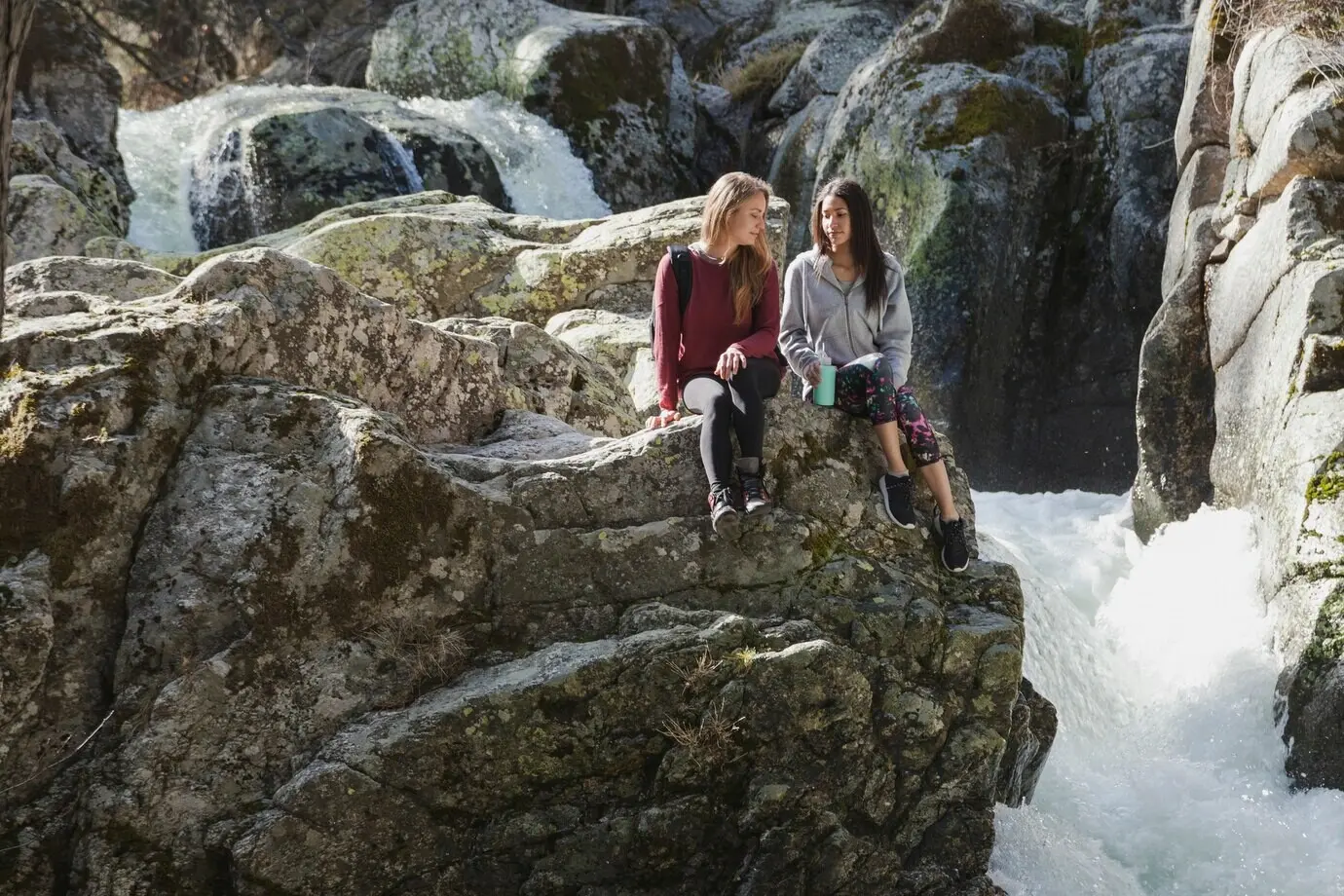
Gorges often amplify weather risks, so agencies pair quotas with seasonal limits, monsoon closures, or snowmelt buffers. Expect dynamic calendars: spring melt may close narrows, while late summer heat pushes earlier start requirements. Learn regional flood indices, follow localized forecasts, and adjust itineraries around shoulder seasons. Share your flexible dates with partners, stack backup permits, and treat caps as conservation tools, not mere hurdles.
Respecting Indigenous Stewardship and Local Customs

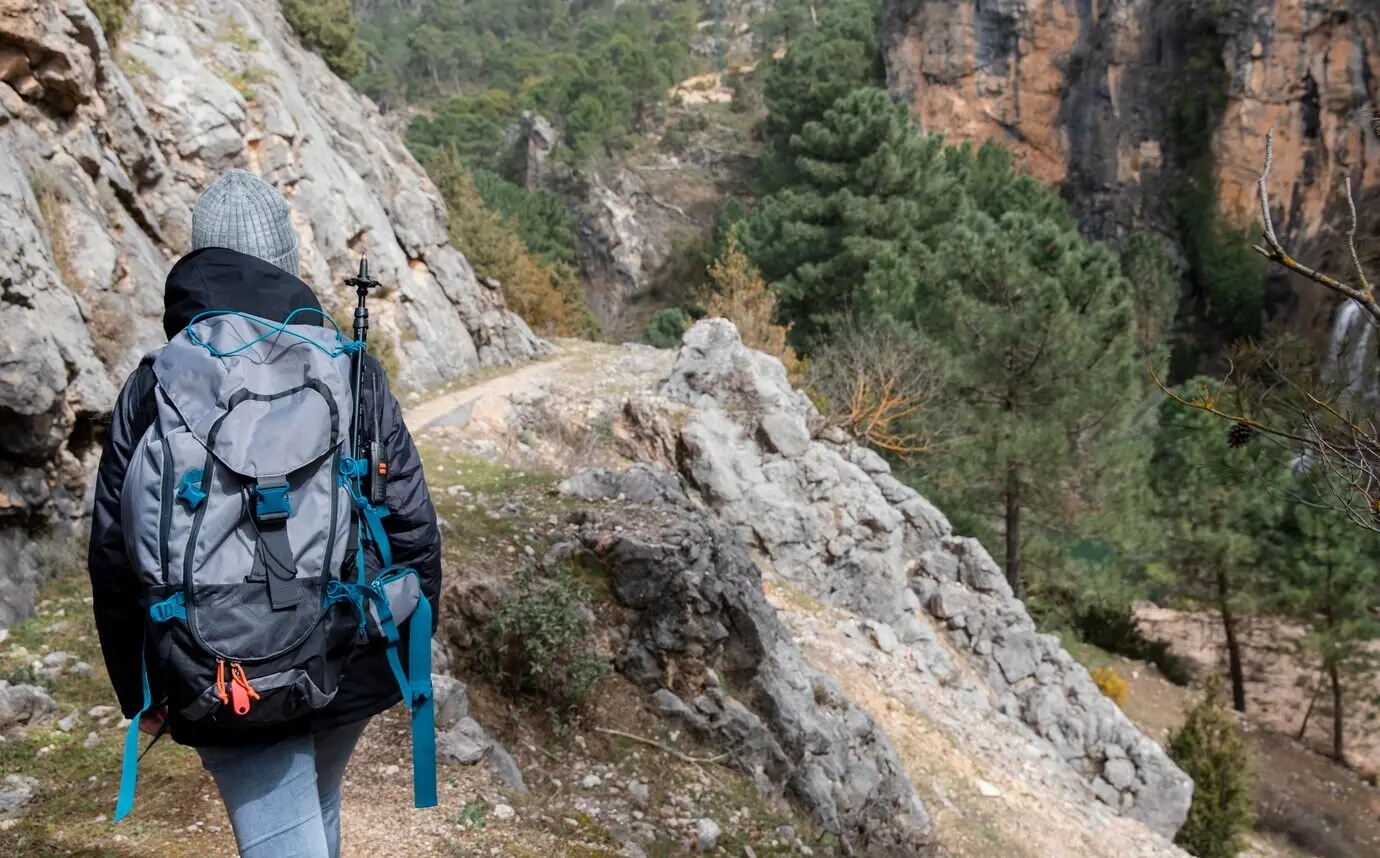
Many canyons traverse lands cared for by Indigenous communities whose cultural sites, stories, and ceremonial grounds deserve reverent distance. Rules may require permits issued by tribal councils, trained local guides, or access at set hours. Learn greetings, photography expectations, and requested silence near sacred features. Ask where to donate or volunteer, purchase locally, and report damage. Walking wisely sustains living heritage far beyond your footprints.
Securing Your Permit Without Panic

Applications vary wildly: rolling windows, monthly lotteries, first-come dashboards, and in-person day permits at limited offices. Build reminder systems, create accounts early, and rehearse portal steps. Gather vehicle plates, passport numbers, and emergency contacts. If you miss a draw, watch for cancellations, shoulder-season opportunities, guided allocations, or weekday slack. Most importantly, align your training and logistics so approval never outruns your actual readiness for committing terrain.

Navigating Online Portals Without Meltdowns

High-demand slots crash at peak second. Test logins, preload payment methods, and synchronize time using a reliable clock. Study past draw statistics and choose acceptable alternates instead of pinning everything on a single dream corridor. Screenshot confirmations immediately and check spam for approvals. When tech hiccups strike, keep composure, retry methodically, and, if possible, call the office before windows close. Calm fingers book better adventures.

Lotteries, Queues, and Smart Second Chances

Lotteries reward persistence. Track separate draws for day routes versus overnight traverses, and diversify with lesser-known gorges offering similar geology. Join cancellation boards and refresh wisely during common dropout hours. In regions allowing walk-ins, arrive early, present a flexible plan, and show weather awareness. If nothing opens, pivot to nearby interpretive slots, volunteer trailwork days, or scouting missions. Every attempt builds local knowledge for the next win.

Rules That Meet You On The Trail

Permits are only the start; on-trail rules shape each step. Expect group-size limits to reduce congestion in narrow slots, designated rest areas to protect fragile banks, and strict sanitation guidance. Some countries require helmets near falling rock zones or ban amplification to preserve quiet canyons. Rangers may request permit checks at chokepoints. Treat regulations as shared agreements that keep access open for your next visit and everyone else’s joy.

Safety, Insurance, and Accountability

Access rules reflect real risks: sudden floods, unstable slabs, hypothermia in shaded narrows, and long rescue times. Study hazard histories for your chosen corridor and pack conservative margins. Verify whether your travel or adventure policy covers technical canyoning, off-piste scrambling, or helicopter evacuations. Share clear itineraries, carry beacons where networks fail, and practice honest turn-around decisions. Responsible preparation transforms paper permissions into resilient, life-affirming journeys.

Why The Rules Exist: Floods, Falls, and Delays

Flash floods can rise from distant storms, sweeping logs and cold silt through polished chutes. Helmets reduce rockfall injuries near overhanging walls. Time cutoffs protect rescuers from working during dangerous windows. When regulations feel strict, remember rangers witness consequences you never want to see. Respecting closures honors people who maintain access and helps ensure tragedies do not become reasons to shutter beloved corridors indefinitely.

Insurance Clauses Hiding in Conditions

Policies often exclude canyoning unless explicitly added. Read for technical difficulty definitions, guide requirements, and elevation or water exposure clauses. Confirm rescue coverage in remote districts and cross-border reimbursement. Keep policy numbers offline, plus language translations if needed. When an office asks for proof, you answer confidently. Good coverage never guarantees success, yet it steadies decisions when plans waver at the lip of an unknown pour-off.

Emergency Plans That Actually Work

Agree on turnaround times, map bailout routes, and identify high ground in each sub-section. Carry a whistle code, spare layers, and chemical warmth for prolonged waits. Satellite messengers enable concise check-ins and clear distress calls. Practice short debriefs at rest stops, noting energy levels and weather shifts. When reality diverges from ambition, humility keeps outcomes kind. Share lessons afterward so the next permit holder starts stronger.

Snapshots From Around The World

Regulations differ widely across continents. The United States blends wilderness quotas with lottery systems in iconic slots, while Canada emphasizes seasonal conditions and bear-aware protocols. Europe layers protected-area rules with private land considerations, marked paths, and historic rights-of-way. Australia and New Zealand balance remote access with strict biosecurity and guiding standards. In Asia, Africa, and Latin America, diverse governance mixes permits, community agreements, and quickly evolving local practices.

Conservation You Can Carry

Access survives when ecosystems thrive. Follow durable-surface travel in canyon bottoms, resist shortcutting meanders, and keep gear clear of invasive seeds. Sanitation matters doubly near seeps and fragile pools. Pack out all waste, anchor responsibly, and avoid cairn graffiti. Share condition reports that help managers calibrate quotas compassionately. Invite friends to learn regulations, subscribe for updates, and volunteer a weekend so the next rain still sings through wild stone.
Pirakirazavo
Privacy Overview

This website uses cookies so that we can provide you with the best user experience possible. Cookie information is stored in your browser and performs functions such as recognising you when you return to our website and helping our team to understand which sections of the website you find most interesting and useful.